Table of Contents
Our new 500kg payload ship motion simulaor is changing on-water training
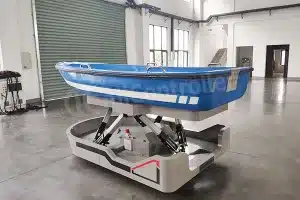
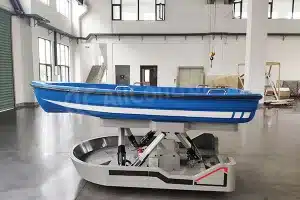
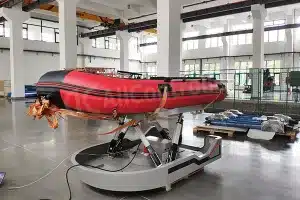
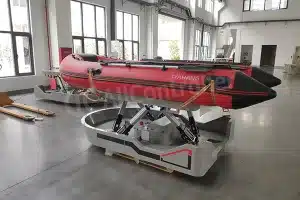
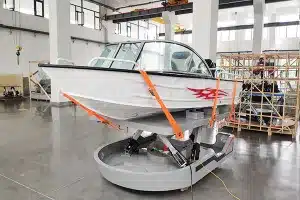
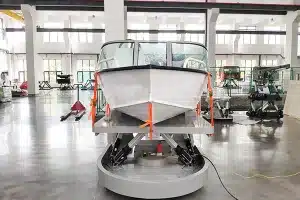
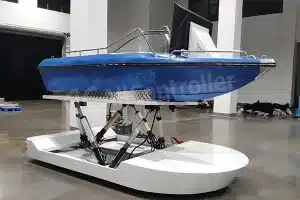
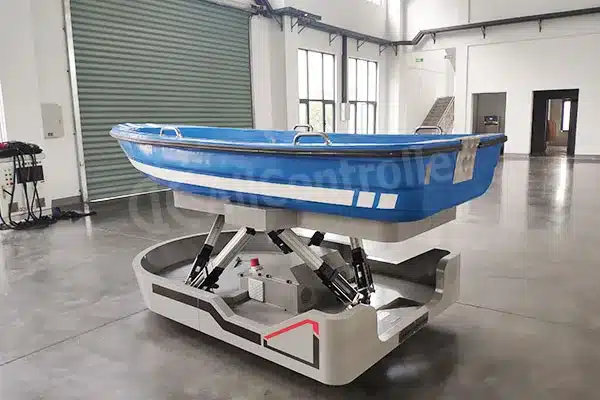
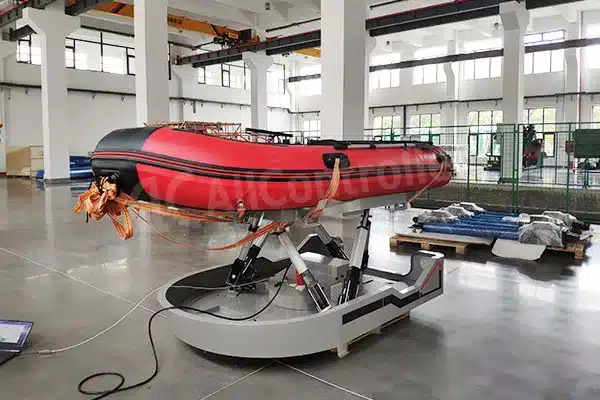
In the ever-changing offshore operating environment, the need for realistic and versatile simulation tools is critical. Our product, produced in response to customer requests, is designed to meet this need – a ship motion simulator suitable for various on-water training scenarios with a powerful 500 kg payload capacity, providing unparalleled performance for training, interactive experiences and advanced scientific research.
This case study takes an in-depth look at the capabilities and applications of our latest simulators, demonstrating their critical role in advancing maritime education, entertainment and scientific discovery.
The challenges of water training
Traditional maritime training often relies on theoretical knowledge with limited practical experience. Similarly, interactive experiences lack realistic motion for true immersion, while scientific research requires precise, repeatable conditions that are difficult to achieve in real-world scenarios. The core challenge lies in developing a unified, adaptable motion simulator that can meet these diverse needs, providing seamless and highly realistic ship motion simulation.
Our solution: Versatile 6DOF ship motion simulator
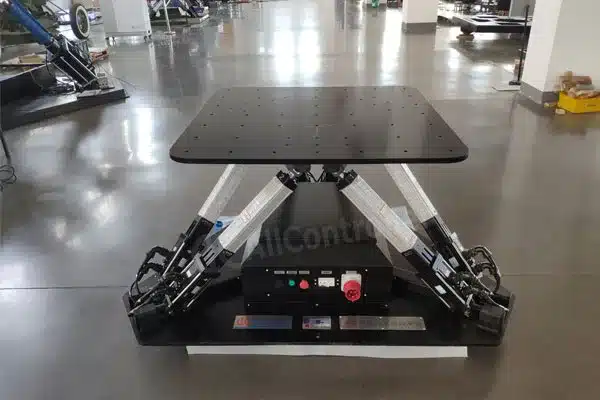
Drawing on our expertise in 6DOF motion technology, we have developed a compact yet powerful ship motion simulator.
Features include:
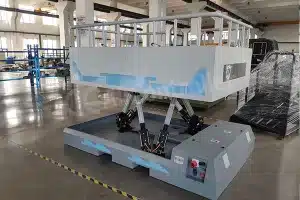
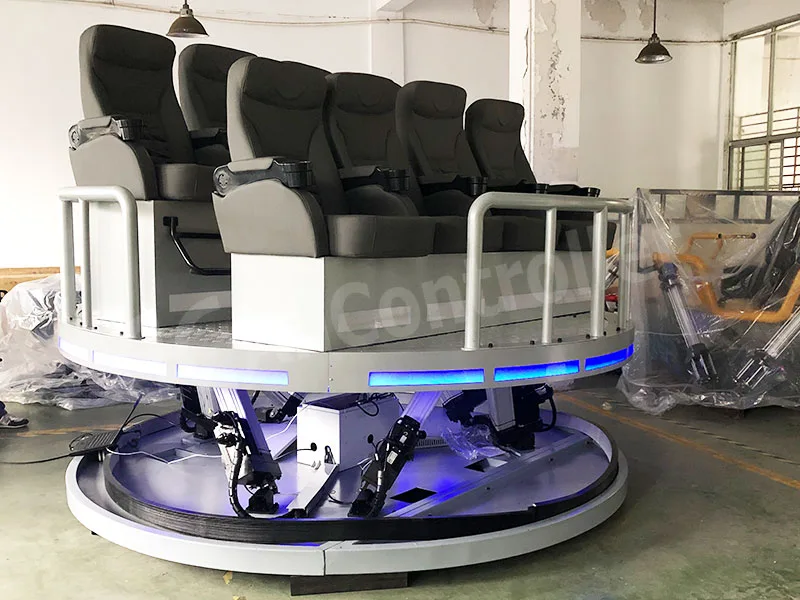
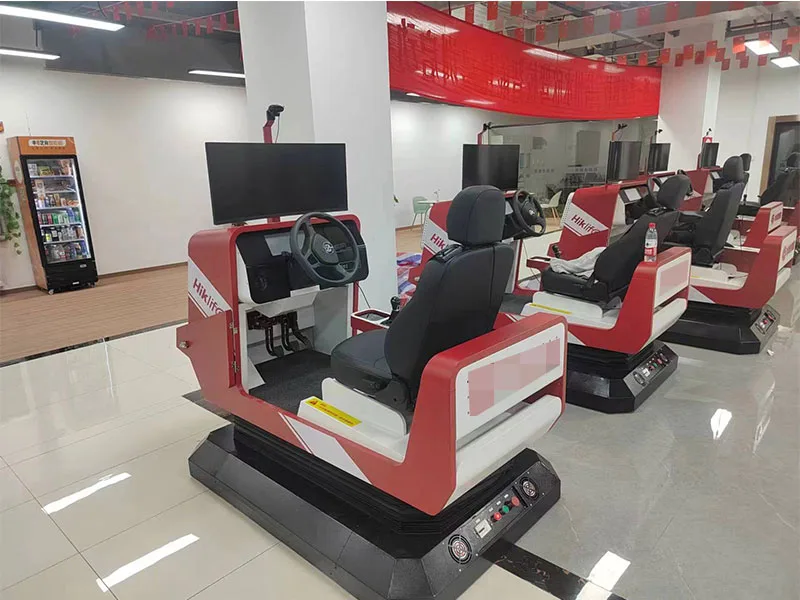
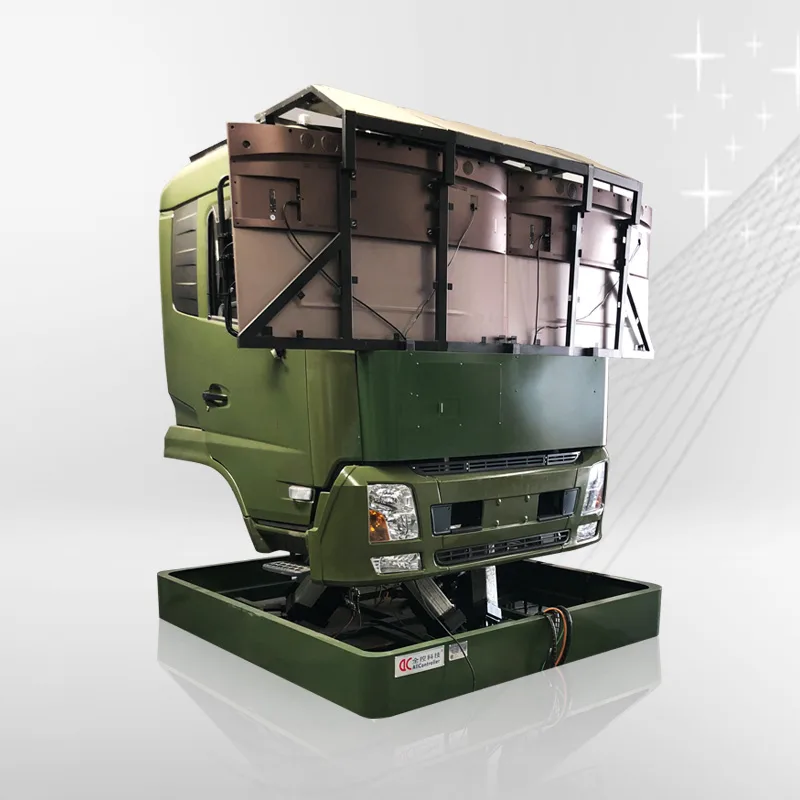
500 kg payload capacity: This large capacity allows integration of a variety of cabins, cockpits or experimental setups to accommodate multiple users or important equipment. Custom ship motion simulators with larger loads are also available.
Precision motion control: Advanced algorithms ensure highly accurate and smooth replication of complex ship motions including roll, pitch, yaw, heave, sway and pitch, which are essential for both realistic training and precise research.
Rugged and reliable design: Designed for continuous operation, the simulator guarantees long-term performance and minimal maintenance, making it a sound investment in demanding environments.
Versatile interfaces: Designed to integrate seamlessly with a variety of vision systems, control panels and simulation software, offering a wide range of customization options.
Applications: Where Our Ship motion Simulator Excels
Our 500kg payload ship motion simulator is versatile and can be used in a wide range of areas.
1. Advanced sailing training
For maritime academies, navies and shipping companies, this simulator provides an unrivalled training environment. Future and existing seafarers can:
Practice ship handling: Master docking, navigation in bad weather, and risk-free emergency operations.
Develop situational awareness: Experience realistic wave conditions, current effects, and vessel responses to enhance decision-making under pressure.
Simulate complex scenarios: Exercise collision avoidance, search and rescue operations, and port entry procedures in a controlled, repeatable environment.
Crew Resource Management (CRM): Provide team training for bridge crews to improve communication and coordination.
2. Immersive interactive experience
In addition to professional training, the simulator opens up new areas for entertainment and experiential learning in museums, theme parks and entertainment centers.
Dynamic ride experience: Create thrilling and realistic virtual voyages, from high seas adventures to deep sea exploration.
Educational exhibitions: Let visitors “drive” various ships and experience the physics of marine sports firsthand, making learning fun and memorable.
Virtual reality (VR) integration: When used in conjunction with a VR headset, the motion platform provides an unparalleled sense of presence and immersion, blurring the line between the virtual and physical worlds.
3. Cutting-edge scientific research
For research institutions and marine engineers, simulators are an important tool for data collection and experimentation.
Human Factors Research: Investigate operator fatigue, motion sickness, and human performance under various dynamic conditions.
Ship Design and Optimization: Test theoretical ship designs and control systems in a simulated environment before physical prototyping, saving significant time and cost.
Fluid Dynamics and Seakeeping Analysis: Perform repeatable experiments on the effects of waves and motion on ship stability and performance.
Algorithm Development: Prototype and validate new navigation, stabilization, and control algorithms for autonomous or semi-autonomous ships.
This 500kg payload ship motion simulator embodies our commitment to innovation and excellence. Versatile enough to meet the needs of marine training, interactive entertainment and scientific research, it is a transformative tool for any organization seeking to accurately and realistically simulate complex marine environments.